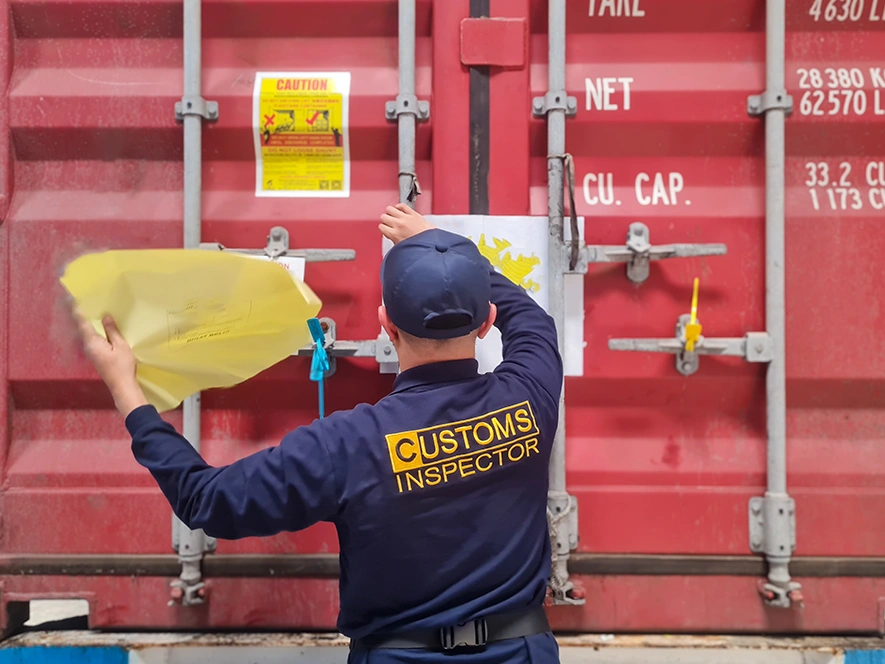
CBP Demand for Liquidated Damages
Combined Experience
Clients
Background: FDA Detention and FDA Refusals
U.S. Customs and Border Protection (CBP) issues liquidated damages to importers of FDA-regulated products when the FDA denies entry of their goods into the United States. FDA Refusals occur when FDA has alleged that a product violates U.S. law and the Importer of Record has failed to present sufficient evidence or argument to overcome that allegation. Some common issues causing an FDA Refusal include improper labeling, lack of facility registration, and/or illegal ingredients. If the detention is not resolved favorably, the FDA will refuse the goods. Refused goods must be re-exported or destroyed under government supervision.
Customs and Border Protection (CBP) has authority over imported goods throughout the import process, before and after FDA inspection. Thus, CBP supervises and enforces the re-exportation or destruction of FDA Refused products. To do this, CBP first issues a Notice to Mark / Redeliver (Form 4647) to the importer, who holds the good under Customs bond in a warehouse. If CBP issues the demand properly and timely, the importer is legally obligated to export or destroy the goods under CBP supervision within 90 days of the FDA Refusal. If the importer does not or cannot export or destroy all the goods, then CBP will issue Liquidated Damages.
What are CBP Liquidated Damages?
A CBP Demand for Liquidated Damages is a demand for payment of money, imposed as a penalty, when an importer fails to comply with a bond condition, namely: to re-export or destroy the refused goods under CBP supervision within the specified time. This penalty is enforceable under federal law and regulations, and the amount can be up to three times the entered value of the merchandise (plus estimated duties, taxes, and fees), up to the entire bond amount. CBP uses liquidated damages to deter violations, incentivize timely responses to its demands, protect public health by ensuring potentially unsafe or non-compliant goods are removed from the market rather than distributed, and to recover its own administrative costs.
How CBP Liquidated Damages Happen
Why do CBP demands for liquidated damages occur in the real world? Here is an overview of some of the most common scenarios that lead to them being imposed:
- Failure to Export or Destroy Goods on Time: If the importer does not complete exportation or destruction of refused goods within the CBP’s designated timeframe, they will face a demand for liquidated damages.
- Improper Recordkeeping: Inadequate documentation showing proof of export, destruction, or compliance with the CBP Demand can lead to liquidated damages.
- Unauthorized Distribution: Goods that were FDA-refused but were mistakenly or unlawfully released into commerce can lead to a CBP Demand for Liquidated Damages.
As frustrating (and costly) as a CBP Demand for Liquidated Damages can be, there is some good news: they can be avoided, mitigated, and even cancelled.
Best Practices for Avoiding Liquidated Damages
Here are the best practices for avoiding CBP liquidated damages:
- Respond Promptly to FDA Notices: Businesses should act quickly when receiving a Notice of Refusal. That allows them to evaluate all available options.
- Track and Document All Compliance Actions: Companies should maintain clear records of export, destruction, and all communications with CBP and FDA.
- Use Qualified Customs Brokers and Counsel: Finally, it is best to work with professionals who understand the intersection of FDA and CBP regulations. A multi-disciplinary FDA lawyer can help.
Best Practices to Achieve Cancellation or Mitigation of Liquidated Damages
Here are some factors that create a basis for cancellation or significant mitigation of CBP liquidated damages:
- Prove No Violation Occurred: If the alleged bond breach did not actually happen, or was solely due to CBP error, the claim can be canceled without payment.
- Contributory CBP Error: Partial mitigation may apply if CBP contributed to the violation.
- Cooperation and Remedial Actions: Extraordinary cooperation with CBP or immediate fixes can create a basis for significant mitigation.
- Prior Good Record and Low Impact: A history of compliance, small-scale violations relative to operations, or no harm to CBP revenue or enforcement goals supports cancellation or significant mitigation.
- Inability to Pay or Extraordinary Circumstances: Proven financial hardship or unique situations can result in further relief, though not full cancellation if there are no aggravating factors.
To achieve these results, the Importer of Record must file the petition promptly, i.e., within 60 days of the CBP notice, and the petition should highlight mitigating factors with all supporting evidence.
How Our FDA Lawyers Can Help with a CBP Demand for Liquidated Damages
Facing a CBP Demand for Liquidated Damages (an FDA refusal) can put a lot of pressure and stress on a business. Bill Senior and Rick D. Quinn are FDA lawyers who have the knowledge, skills, and experience to take on the full range of issues, including Customs and Border Protection (CBP) liquidated damages. Here is how our CBP liquidated damages attorneys are ready to help:
We prepare and file formal petitions to mitigate or cancel CBP Liquidated Damages demands. Our attorneys evaluate the facts, identify legal defenses, and submit persuasive arguments supported by documentation.
While we cannot make guarantees, we are often able to obtain outright cancellation of the liquidated damages amount. Other times, we help clients obtain significant mitigation to reduce the amount owed, sometimes to less than 5% of the original Demand amount. Our firm prepares mitigation requests that highlight good faith, corrective actions, and any procedural errors by the agency.
Services
Send Us A
Message
What
Clients Say
The team helped us with our exportation to USA. Their knowledge and understanding in FDA requirements and regulations was essential part of it.
Thank you.